
You show up for the workout, push hard, and then it happens: a little leak during double unders, a heavy feeling after deadlifts, or pelvic pain that follows you out of the gym. If you have started skipping movements or planning your training around these symptoms, you are not alone, and you are not "just out of shape."
These symptoms are common among active adults, but common does not mean you have to accept them. At PIONE3R Physical Therapy & Wellness, we help Houston athletes understand what their body is signaling and build a plan to train with confidence again.
Why Your Pelvic Floor Matters for Athletic Performance
Your pelvic floor is a group of muscles that supports your bladder, bowel, and pelvic organs. It also works alongside your diaphragm, deep abdominals, and back muscles to manage intra-abdominal pressure and stabilize your trunk during lifting, jumping, and running.
When that system is overloaded, too tight, or not coordinating well, symptoms surface under load. High-impact and heavy training simply expose the problem sooner. Understanding this connection is the first step toward resolving it.
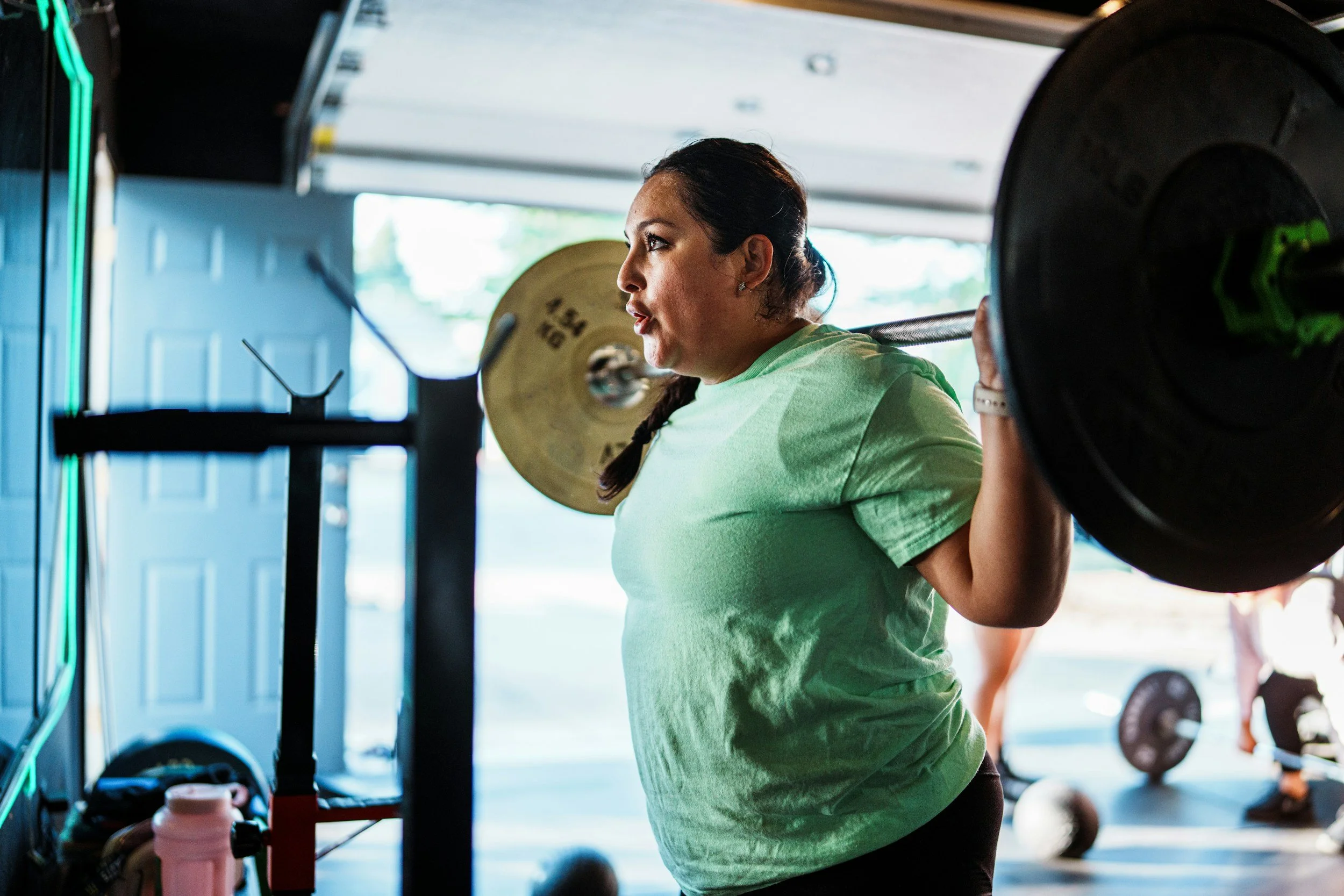
Common Signs of Pelvic Floor Dysfunction in Athletes
Symptoms look different from person to person. The following are among the most common concerns seen in active individuals:
Leaking urine during double unders, box jumps, running, or heavy lifts
A feeling of heaviness, pressure, or bulging in the pelvis
Pelvic, hip, or low back pain that does not settle with rest
Pain with intercourse
Abdominal doming or coning, which may indicate diastasis recti
Pelvic, groin, or perineal pain, including in men
These concerns can affect people at any life stage, including during the prenatal period, postpartum recovery, and menopause, as well as men dealing with pelvic pain. Leaking or discomfort during training is a reason to get assessed, not a reason to quit.
How PIONE3R Physical Therapy & Wellness Treats Pelvic Floor Issues in Athletes
The approach at PIONE3R Physical Therapy & Wellness is built around three phases: Reset, Rebuild, and Return Stronger. The goal is lasting resolution, not short-term symptom management.
Reset
Care begins by calming symptoms and identifying the root cause. This includes a functional movement assessment and movement screen to understand how your body is managing load. Breathwork and diaphragmatic training are introduced early to improve pressure management. When appropriate, manual therapy or pelvic floor internal techniques are used to address muscle tension or poor coordination.
Rebuild
Once a foundation is established, the focus shifts to building strength and control. Therapeutic exercise and neuromuscular re-education are used to progressively load the hips, core, and pelvic floor together, because these structures function as an integrated system in the movements you train.
Return Stronger
The final phase bridges the gap between rehabilitation and athletic performance. Plyometric and return-to-sport progressions, combined with formal return-to-sport testing, confirm that you are ready for the demands of your WODs, runs, or sport before you push back to full intensity.
What to Expect During Your Visits
Every session at PIONE3R Physical Therapy & Wellness is one-on-one with a specialist for the full appointment. You will not be handed off to an aide or given a generic exercise sheet. The clinical team includes residency-trained, board-certified Doctors of Physical Therapy with advanced credentials, including OCS, CSCS, and FAAOMPT.
Care also extends beyond the pelvis. Sleep, stress, nutrition, and lifestyle all influence how your body handles training load, and those factors are considered alongside your physical treatment. Because assessments are thorough and individualized, many patients require fewer total visits to reach their goals.
No doctor referral is needed. Texas allows direct access to physical therapy, so you can begin care when you are ready.
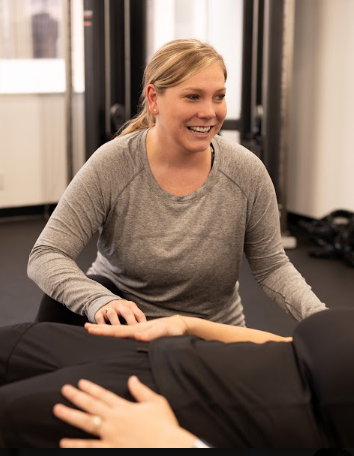
Returning to CrossFit After Having a Baby
For many postpartum athletes, returning to high-intensity training is absolutely achievable with the right progression. Pregnancy and delivery bring significant changes to the pelvic floor, abdominal wall, and overall movement system. Jumping back into heavy lifting or impact work without addressing those changes can leave symptoms like leaking, heaviness, or core weakness unresolved.
At PIONE3R Physical Therapy & Wellness, postpartum care includes a thorough assessment of the pelvic floor, diastasis recti, breathing mechanics, and strength, followed by a plan built around your specific goals and timeline. The aim is to get you back to the barbell and the pavement feeling capable and confident.
Pelvic Health Support Across Every Life Stage
Pelvic floor physical therapy is not limited to the postpartum period. PIONE3R Physical Therapy & Wellness supports athletes and active individuals through a range of pelvic health conditions and life stages, including:
Pelvic pain and hip pain affecting training
Incontinence during impact or heavy lifting
Prolapse symptoms and management
Endometriosis pain support
Painful intercourse
Menopause support for active women
Prenatal support to maintain movement safely
Regardless of where you are in your training journey or life stage, a structured, evidence-informed approach can help you move and perform without limitation.
Ready to Train Without Worrying About Your Pelvic Floor?
You have worked hard to build your fitness, and you deserve care that respects that investment. If you are ready for answers and a clear path forward, book a free 15-minute discovery call with PIONE3R Physical Therapy & Wellness to find out if we are the right fit.
You can learn more about our team, visit our home page, or read our complete guide to Houston physical therapy.
Take the first step today and let us help you reset, rebuild, and return stronger.